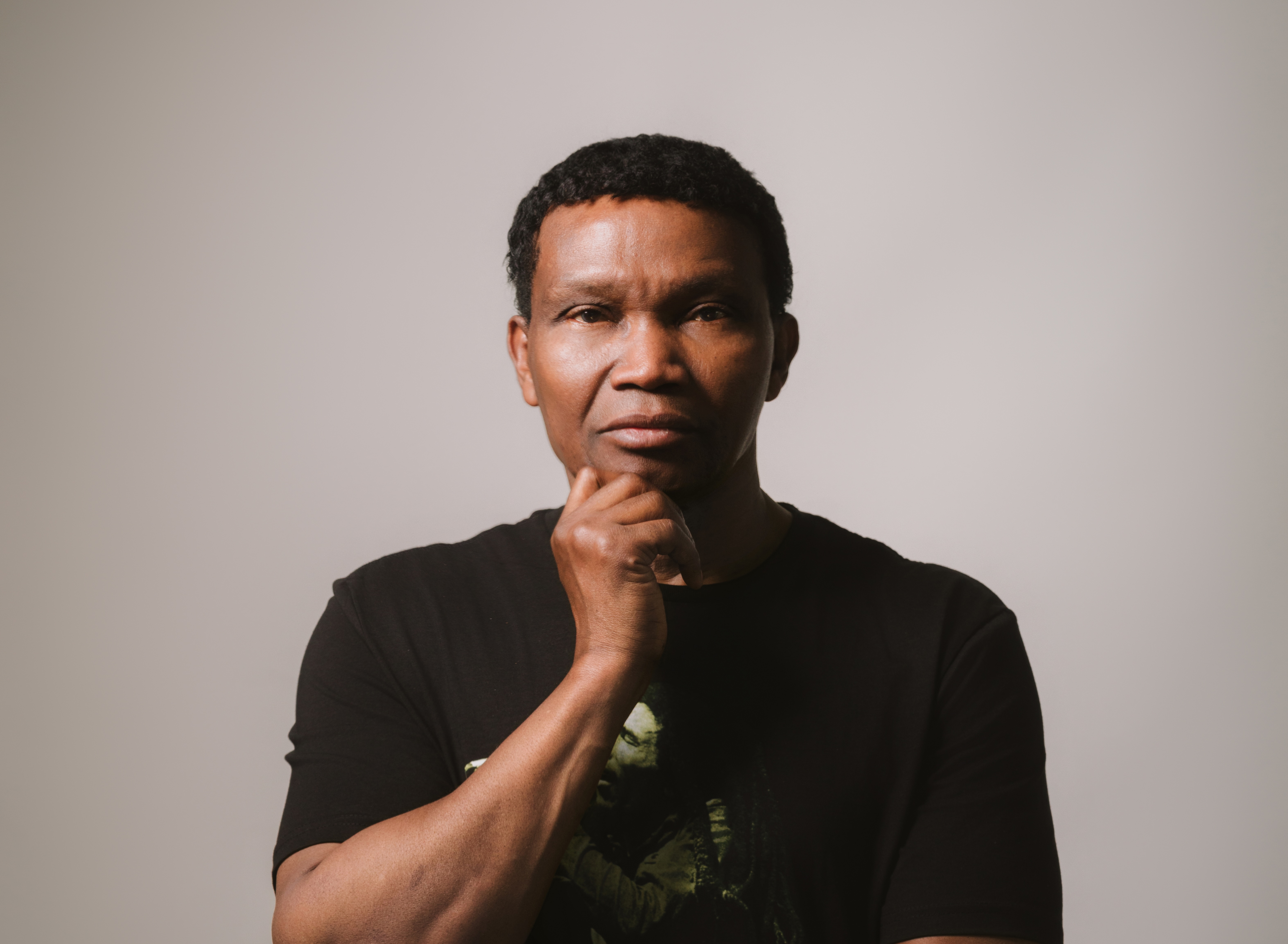
In his most recent single release, titled “No Wahala,” Afrobeats vocalist Ase Odin explains to listeners that there’s no linear path to success in anything we do.
And no one knows that better than he does.
Ase Odin’s journey began in Benin City, Nigeria, where, as he put it, “rhythm is alive in the streets and music is an integral part of everyday life.” Growing up surrounded by the culture, energy, and sense of community in West Africa, he said he found his voice early in life and never relinquished it.
When Ase was 5 years old, his father worked for the local government police and was in the police band. They often played for the Royals and at various public events. So every time he went to the station for band practice, Ase would go along – and he said it was inspiring just to watch him play.
“But I wasn’t able to buy a musical instrument of my own,” Ase said. “So when I got home, I would look for some sticks and coat hangers or forks and spoons and use them to play my music and come up with a song that I liked or that I thought people could dance to. By starting at such a young age, I put all that energy into my mind and into my soul and I knew that a musician is what I truly wanted to be.”
However, being from a developing country where opportunities to improve one’s standing often don’t exist, Ase’s parents were insistent that he pursue a professional career, like a doctor, an engineer, lawyer, or a pharmacist. They believed that one of those careers would ensure that Ase could take care of his family.
“Because we had the privilege back then to get an education and learn the Queen’s English, every family that was able to would enroll their children in school,” he said. “It was mandatory for you to go to school and to have a solid career.”
After high school, Ase came to the U.S. and studied pharmacy at the University of Washington in Seattle, where he continued his education until earning a doctoral degree (Pharm.D.). He spent many years as the director of pharmacy for a medical clinic – and he currently works in a hospital setting.
And with a great deal of pride, Ase raised his four children who are now grown and pursuing their own careers.
So just a few years ago, he decided it was time to live out his personal dream and revisit the music he had written and look at becoming a singer, particularly with the extra time we all had and the uncertainties we felt during the COVID-19 pandemic.
“Even though I was still working, I looked deeply into the vision of what I wanted for myself and thought it was a good time to get started,” he said. “So I began writing my music again, reinventing what I already had written, revamping it, and bringing it all to light.”
Ase describes his style of music as a blend of Afrobeats, diasporic reggae, soulful rhythms, and heartfelt storytelling, - designed not just to entertain but also to connect, uplift, and inspire with a sound that resonates across borders and backgrounds.
Ase said the title of his most recent single, “No Wahala,” basically means “No Problem,” similar to the Swahili phrase “Hakuna Matata,” which means “No Worries.”
“Becoming successful does require a clear vision, hard work, the ability to learn from your experiences as well as from setbacks and failures, and just believing in yourself,” he said. “That may sound like a tall order, but as soon as things happen you just need to sit back, relax, reset, and understand that tomorrow will be a different day, or even a better day.”
Ase joked that he used his own “Pidgin English” to do some of the rapping in the song. Joining him in the vocals is an up-and-coming female artist named Nikita, whose voice fits very well with the rest of the track.
Going forward, Ase said he will be releasing more reggae and Afrobeats music, as well as some tracks with political themes that address what’s going on around the world, particularly in parts of Africa.
"We Africans have to find a way to appreciate the blessings we have and invest in ourselves, instead of having to rely on outside countries and then blaming those countries for what keeps happening to us,” he said. “Though those other countries have greatly influenced the major causes of our problems. History teaches us to live and learn. It’s time that we get back to the fundamentals of how to run a government and take care of our own people's lives; we have to take accountability and be in charge."
Website – https://aseodin.com
Linktree - https://linktr.ee/aseodin