A judge refused to impose a harsher restraining order on Live Nation over an event that once used "Coachella" in its name.
A federal judge has ruled that Live Nation can continue selling tickets to a New Year’s Eve concert that was previously called “Coachella Day One 22,” rejecting efforts by the organizers of the Coachella music festival to shut down sales entirely even after the rival event was renamed.
AEG-owned Coachella operator Goldenvoice sued Live Nation earlier this month and quickly won a court order barring Ticketmaster from using the “Coachella” trademark in ticket sales. The event was renamed “Day One 22” and is set to proceed as planned on Friday night, with performances by Lil Wayne, E-40 and Getter.
But last week, Goldenvoice asked for an even harsher court order — one that would prohibit Live Nation from selling tickets to the event entirely and invalidate those already sold. The request cited continued use of the word “Coachella” by the actual venue operator, including on billboards advertising the event.
On Monday (Dec. 29), U.S. District Judge R. Gary Klausner rejected that request, saying Live Nation had complied with the earlier restraining order and that it could not control the conduct of others.
“Plaintiffs request an order enjoining Live Nation from selling tickets to [the event] — period — and invalidating the tickets already sold,” the judge wrote. “The court declines plaintiff’s request.”
As evidenced by Monday’s ruling, the entire current legal battle is complicated by the fact Goldenvoice was unable to sue the actual operator of the “Day One 22” event.
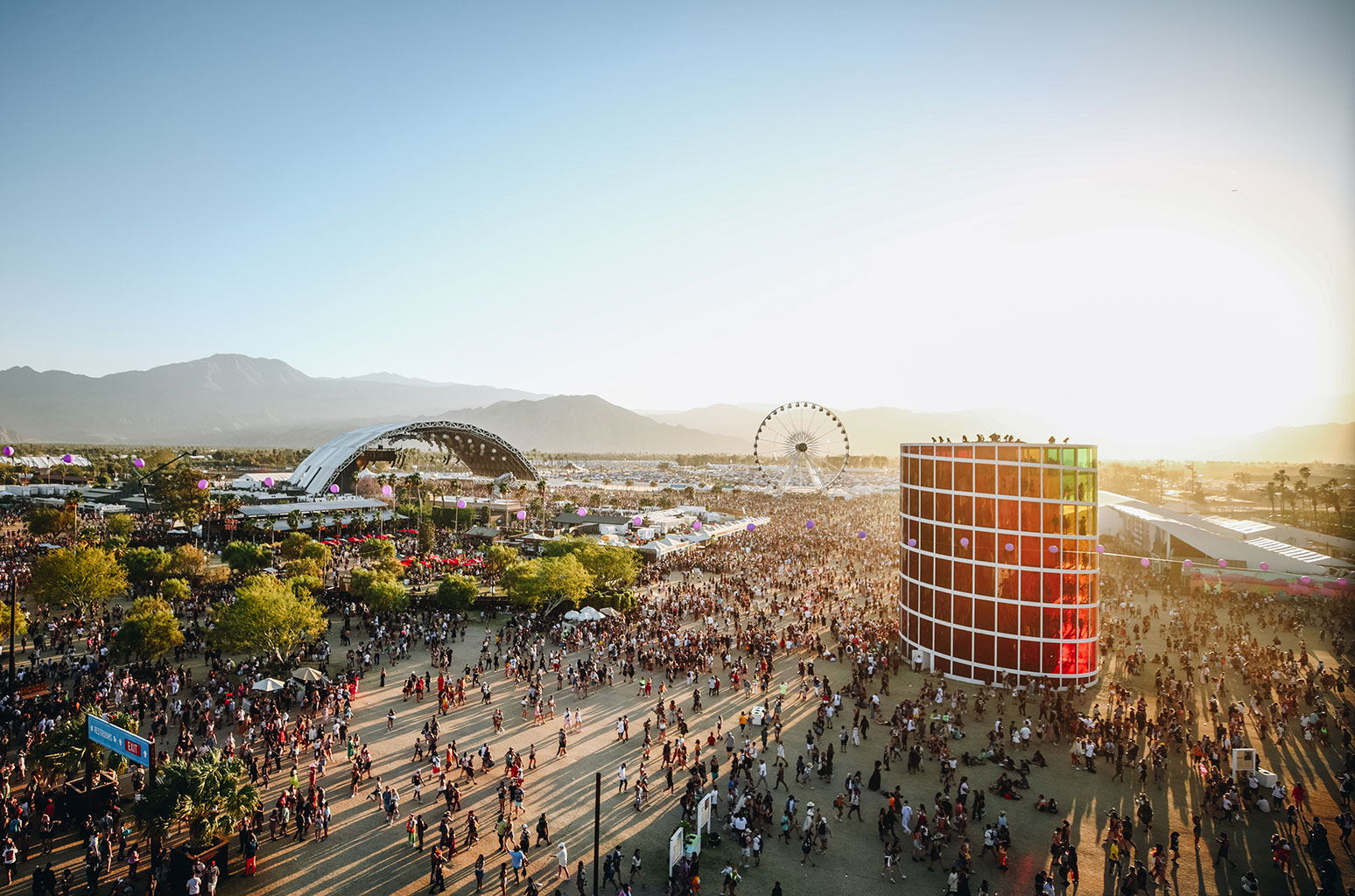
The rival concert is being held at a venue called Coachella Crossroads, located a few miles from the famous festival site, both named for the geographical Coachella Valley. Since the venue is owned by a Native American tribe — the Twenty-Nine Palms Band of Mission Indians — it’s largely shielded from such lawsuits by sovereign immunity. So the next best target was Live Nation, which Goldenvoice accused of so-called contributory infringement for its role in advertising and selling tickets to the event on TicketMaster.
According to Goldenvoice, Twenty-Nine Palms has continued to use “Coachella” in advertising the event even after the restraining order against Live Nation, including by using the web address CoachellaCrossroads.com. But on Monday, Judge Klausner said the tribe’s actions were not grounds for harsher restrictions on Live Nation.
“It is no surprise that Twenty-Nine Palms has not stopped engaging in allegedly infringing behavior because Twenty-Nine Palms is not a party to this lawsuit, nor enjoined by the court’s TRO,” the judge wrote.
Live Nation has fully complied with the earlier order by eliminating “Coachella” from the name of the event on Ticketmaster, the judge said, and Live Nation lacks the legal level of “control” over Twenty-Nine Palms to be held responsible for their separate actions.
“Today’s response from Judge Klausner is a win for the Tribe, the community and our ticketing partners at Live Nation,” said Darrell Mike, the tribe’s chairman. “The strongarming of Goldenvoice and its parent company AEG to take reign over a name of a region and businesses who choose to identify with it is disrespectful to small and large business operations, those under their employ and the indigenous people who live within the valley.”
An attorney for Goldenvoice did not return a request for comment on Wednesday.